
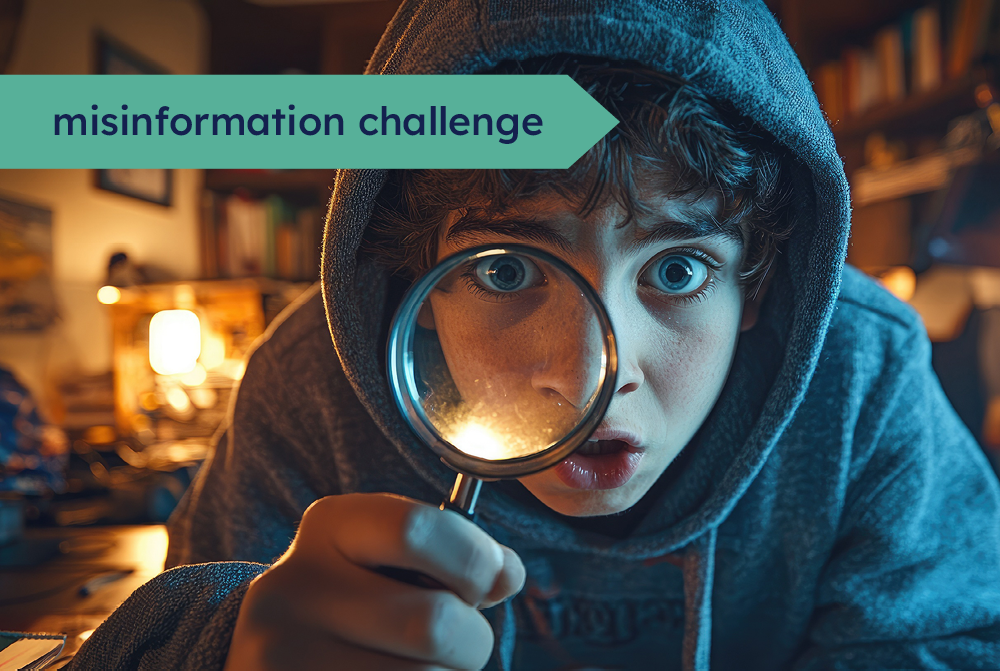
misinformation

Chances are your phone is lying to you.
From viral hoaxes to AI-generated lies, deep-fake videos to bot-built news articles, online misinformation runs rampant across screens. Every day we’re flooded with content that’s designed to manipulate, mislead, and monetize our attention.
It’s important to recognize how easily misinformation spreads so you can build better screen habits to reduce exposure to false information and reclaim clarity in a noisy digital world.
So, how do we trade trends for truth? Let’s start by looking up and keeping sharp.
trending doesn’t make it true

Separating Truth from AI Tricks: The TRUTH QUEST Challenge
It’s time for TRUTH QUEST! Our March Misinformation challenge is live and ready to test your sleuth skills—can you tell what’s real, what’s AI‑generated, and what’s fake? Jump in and find out.
Take the quiz + you’ll be entered into a drawing for $10 gift card to a local coffee shop; we’re giving away ten! Winners will be contacted in early April.
false facts. fake feeds.
real-life consequences.
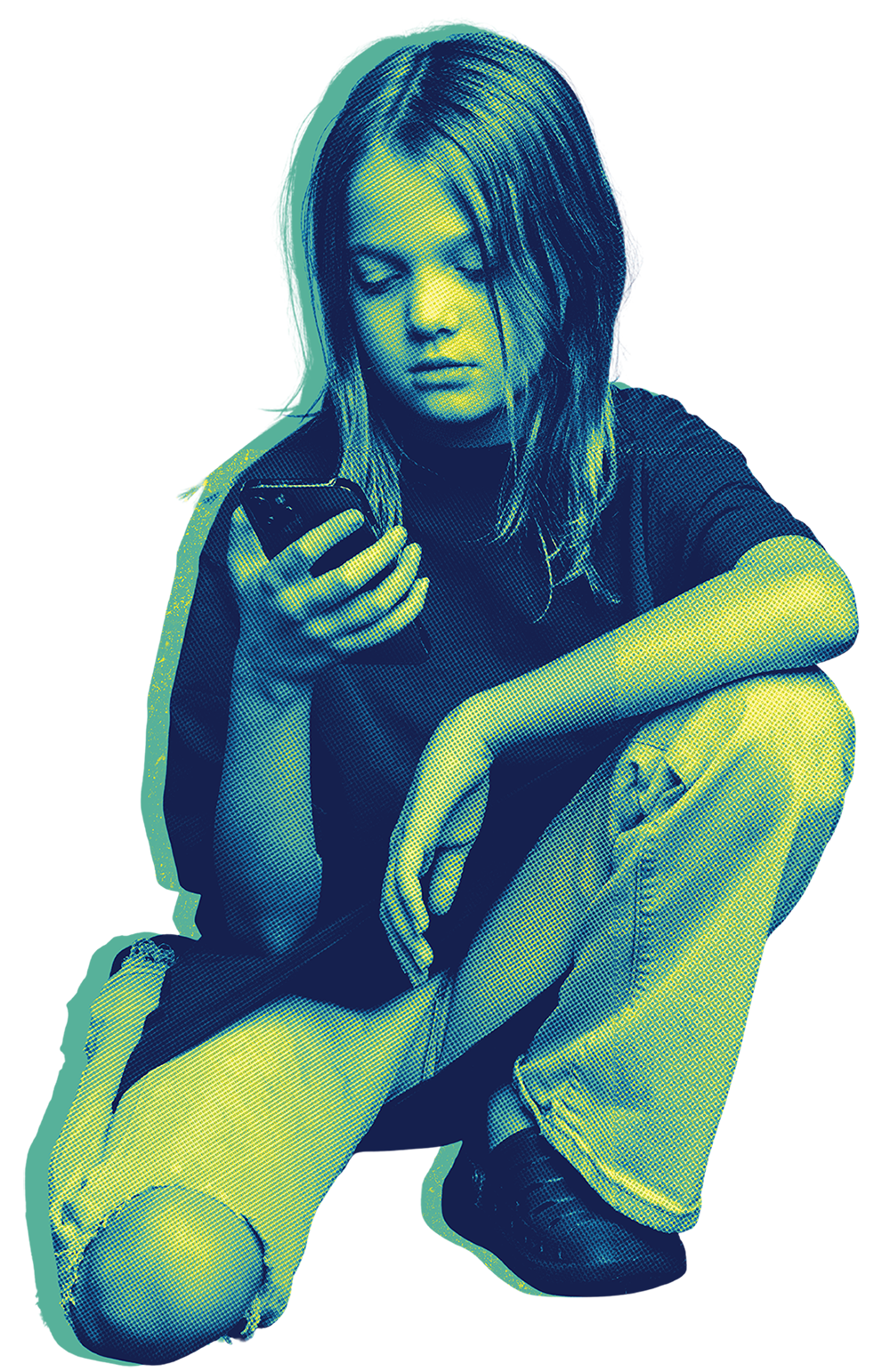
Being misled is only the surface issue. Smartphone addiction and unchecked screen time take a real emotional and cognitive toll on you and the people around you.
TRUTH: Misinformation online is designed to manipulate your attention, and your emotions.
HARDER TRUTH: The more time we spend scrolling, the more distorted our view of reality becomes.
SOLUTION: Unplug, think more critically, and build healthy social habits that protect truth and foster emotional well-being.
BOTTOM LINE: Log off. Look up. Keep sharp. Seek truth.
why misinformation matters
Our brains are wired to seek patterns, meaning, and connection. But when those patterns are built by algorithms, and the meaning is manufactured by bots, we lose our grip on what’s really real.
Misinformation confuses us, divides us, erodes trust, fuels anxiety and undermines our ability to make informed decisions. And when constant social media use takes a toll on our mental wellbeing, our relationships suffer. That breakdown spreads through our communities. And worse, it confuses and hurts our kids.
In many ways, the ship has sailed. The internet isn’t going back to the harbor. But that doesn’t mean we’re adrift.
• We can be smarter, sharper, and savvier with how we approach screen time and the misinformation that inherently comes with it.
• We can recognize how smartphones hook our attention and start breaking the patterns that keep us stuck.
• We can choose to unplug and reconnect with the reality that lives beyond our screens.


stay sharp + be a truth defender
Being a truth defender means recognizing that digital literacy and healthy screen habits are forms of protection.
TRUTH DEFENDERS:
• Question what you see online.
• Learn to spot fake news.
• Model critical thinking and fact-checking.
• Set boundaries with screen time.
• Encourage real-world conversations.
there is no clarity without truth

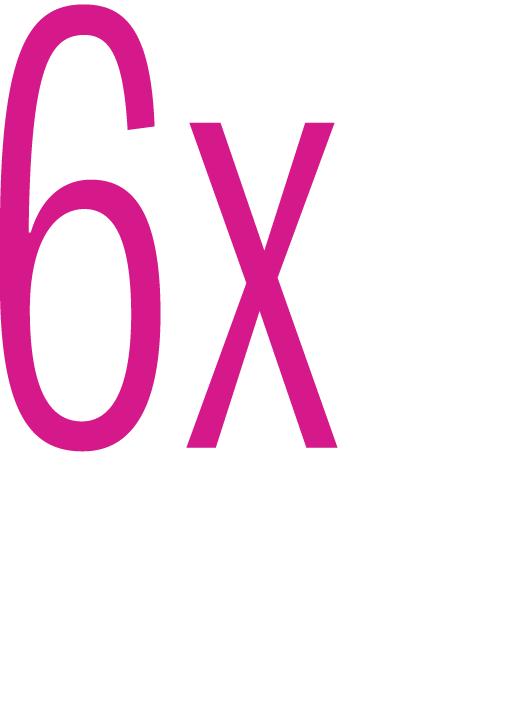
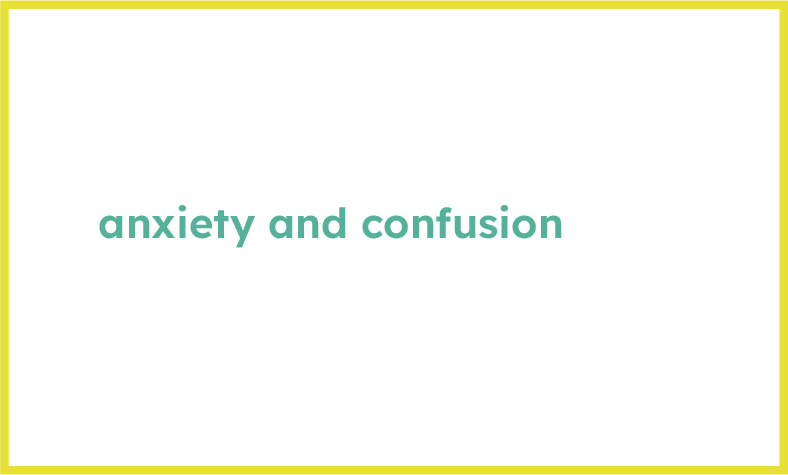
community voices

find your truth
-
Create phone-free fact-checking routines
talk about what’s real vs. what’s viral
Lead by example with your own screen boundaries
-
Pause before you share
Use fact-checking tools and sources
Remember: Not everything trending is true
-
Encourage media literacy in classrooms
Address misinformation in wellness programs
Support colleagues who set digital boundaries