
sleep deprivation

rest, recharge and put sleep deprivation to bed

You’re not missing out on anything but a good night’s sleep.
From streaming video and social feeds to games and communication, everything on our phones is designed to grab and hold our attention. But time and energy are limited resources, and sleep deprivation is one of the hidden costs of screen time.
The SMART Social Project is here to help families, educators and communities commit to reclaiming what we need daily: time to rest and recharge. For too many of us, our tether to technology means sacrificing critical sleep. And it’s damaging our bodies and our brains.
So how do we push back on the pull? Let’s start by looking up, logging off, and making room for real rest.

save the date

April 16
Community-wide
PJ POWERDOWN Join us in the movement to win back zzzzzs from our screens. On April 16, show your support by wearing your SMART pajamas, or pjs of your choice, to school, work, grocery store or anywhere else your day takes you!
Don’t have gear? We have you covered! Order your swag from our online store and have it delivered to your door!
rest isn’t optional. it’s essential.
This isn’t just about feeling tired. It’s about the physical and mental health impacts of choosing screens over sleep—not just on your body, but everyone around you.
TRUTH: Social platforms are built to keep you hooked day and night.
HARDER TRUTH: Lack of sleep is hurting your focus, mood and mental health.
SOLUTION: The SMART Social Project helps families build better screen habits and protect rest.
BOTTOM LINE: Log off. Look up. Rest and reset.
why sleep deprivation matters

Sleep is when our brains heal, process memories and reset for the next day. But endless notifications, blue light and social pressures can easily keep us awake long past bedtime.
Our bodies follow circadian rhythms that rely on natural rest, and our core systems depend on real sleep. When screens interrupt that rest, the effects reach far beyond feeling groggy. Mental health and immune function take the hit, shaping how we feel every day..
• We can recognize how late-night scrolling and constant notifications steal valuable sleep.
• We can be more mindful of healthy screen habits and protective of the rest our minds and bodies need.
• We can choose to power down, set boundaries and recharge away from screens.
The SMART Social Project helps you set boundaries, avoid screen time side effects and give yourself permission to unplug, recharge and wake up stronger.

log off + be a sleep defender
Being a sleep defender means recognizing that rest is a right, not a weakness.
SLEEP DEFENDERS:
• Set boundaries with screens at night.
• Encourage others to unplug and recharge.
• Prioritizing consistent nighttime routines.
• Make space for dreams, growth, and real rest.
there is no strength without rest

fast facts
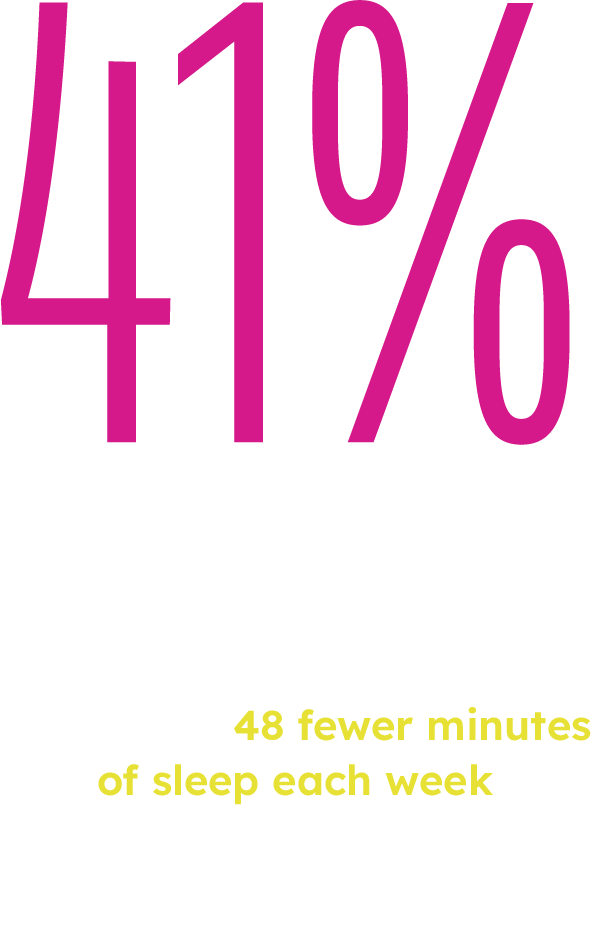
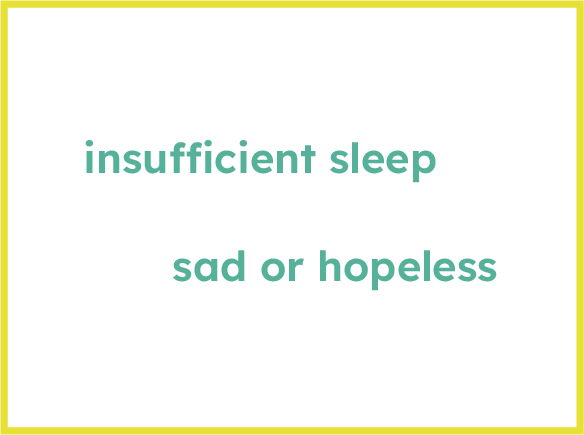
Light from smartphones, tablets and laptops can delay the release of melatonin by suppressing the pineal gland, increasing the time it takes to fall asleep.

community voices
take back your rest
-
Create phone-free bedtime routines
Set household “lights out” screen rules
Lead by example with your own log-off time
-
Set your phone aside an hour before bed
Try night mode or blue light filters
Remember: No notification is worth your health
-
Encourage students to unplug before tests or big days
Address sleep health in wellness programs
Support colleagues who set after-hours boundaries