
addictive behaviors

Meaningful moments don’t happen on screens.
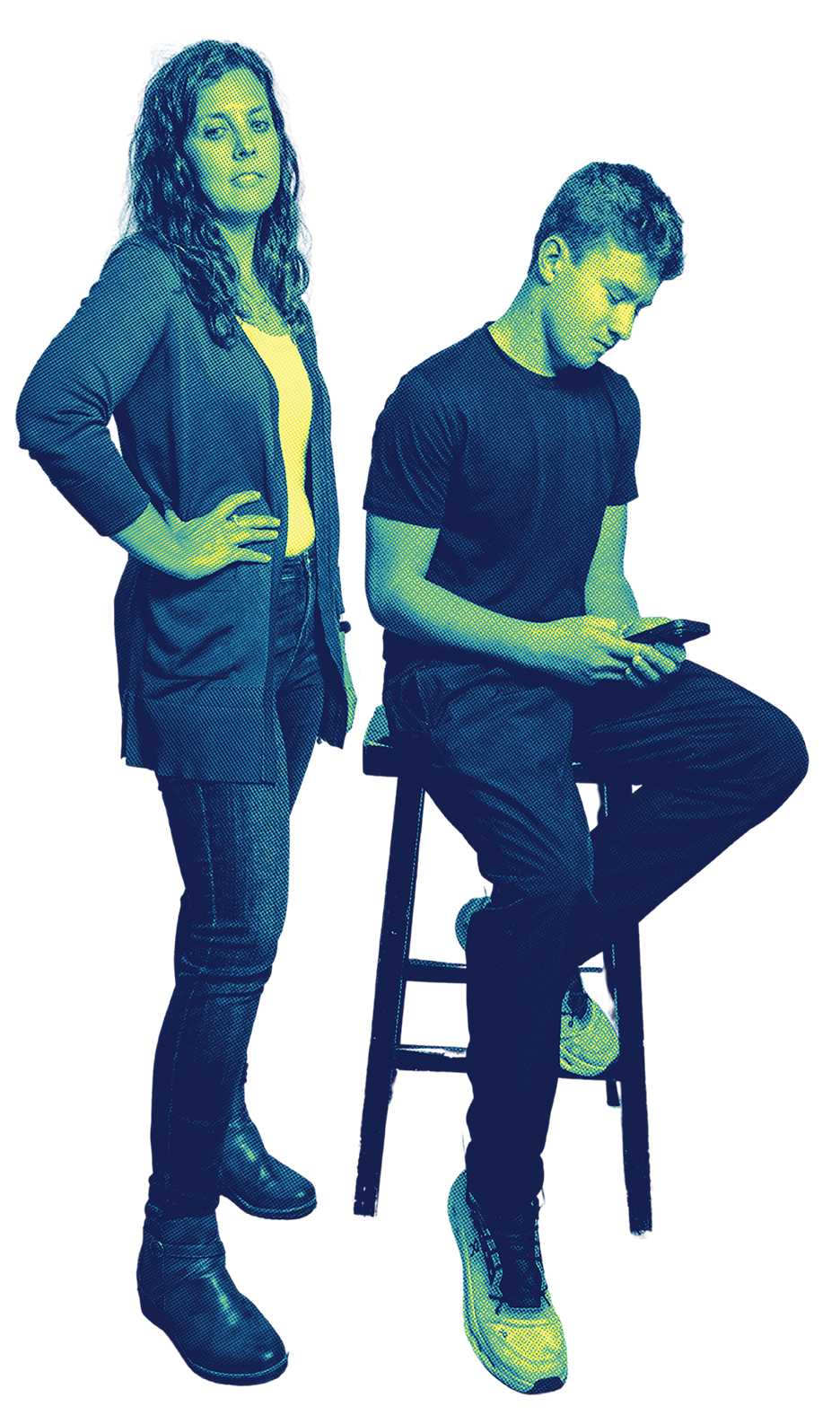
In some ways, we’re as connected as ever. But not every type of connection is positive. Social media platforms are designed to grab our attention and never let go. Driven by the endless possibilities of the next refresh, the next message and the next post, addictive behaviors are taking a toll on our focus, sleep and well-being.
The SMART Social Project is here to help families, educators and communities build healthy screen habits, scale back addictive behaviors and reclaim clarity in a noisy digital world. This isn’t just a digital detox—it’s a much-needed reset.
How do we stop the endless scroll? Let’s start by looking up and living in the now.
addictive behaviors steal time, attention and joy

save the date
February Tuesdays
various locations throughout Oshkosh!
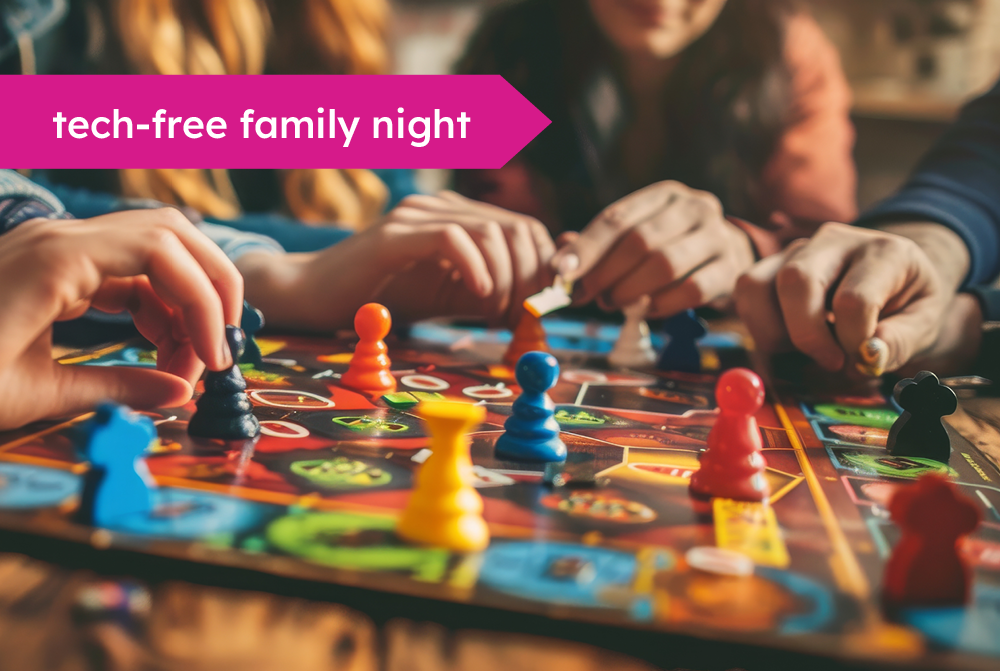
Join us for TECH-FREE NIGHTS. Kick off healthier digital habits by putting screens down every Tuesday night in February. Throughout the month of February local Oshkosh businesses and community partners will offer fun events for the whole community to come together for screen free fun.
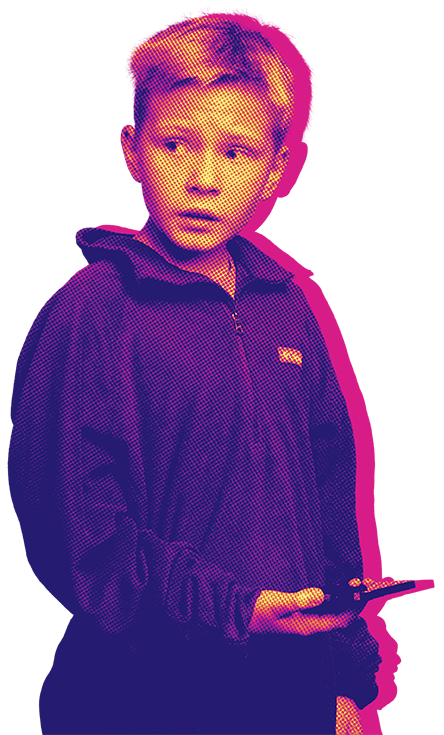
the pull is real. the rewards are fleeting.
Casual browsing and quick texts are only part of the story. Smartphone and social media addiction carries a serious impact on our lives, rewiring the brain and draining time, attention and joy.
TRUTH: Social media platforms are scientifically engineered to keep you hooked
HARDER TRUTH: They’re winning. Addictive behaviors are showing up in all ages, with alarming consequences for brain development and youth mental health.
SOLUTION: The SMART Social Project is focused on creating intentionality and balance in our relationships with screens and choosing to live IRL.
BOTTOM LINE: Log off. Look up. Live now. You’re missing the good stuff.
why addictive behaviors matters
Addictive behaviors are repetitive, compulsive actions that trigger the brain’s reward system, creating short-lived pleasure and increasing dependence. Over time, they can negatively affect health, relationships, and daily functioning.
Social media apps are built to capture attention with infinite scrolls, likes and streaks. That design taps into dopamine cycles in the brain, the same pathways associated with gambling and substance use. When left unchecked, addictive digital behaviors take time away from relationships, sleep, school and work. Constant checking and craving notifications rewires how we experience focus and reward.
The SMART Social Project helps you interrupt that cycle and remember that rest is necessary and life happens away from a glowing screen.
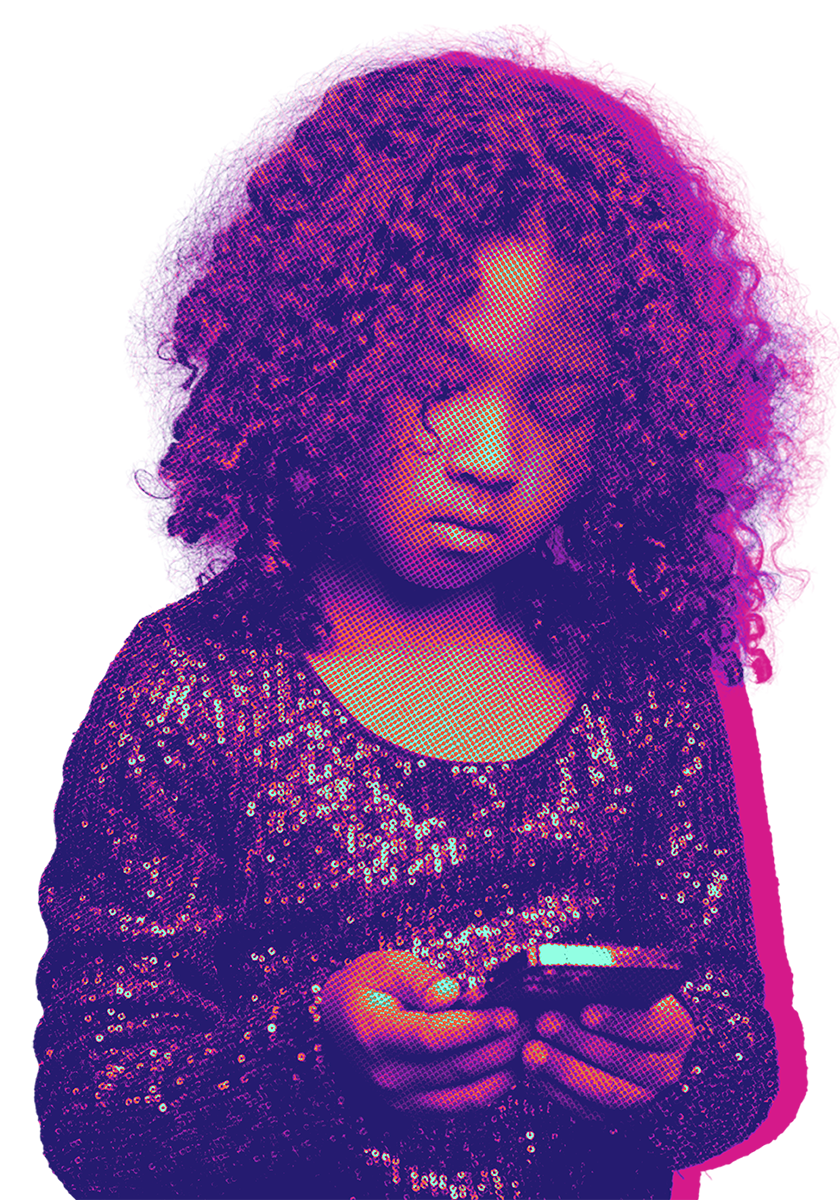
live now + be a balance keeper
Being a balance keeper means recognizing when enough is enough. It’s about helping others find that balance too.
BALANCE KEEPERS:
• Put phones down when people are present
• Build tech-free moments into their day
• Encourage friends and family to take breaks
• Notice when apps are stealing their time
• Choose real connection over endless scrolling.
real life doesn’t wait for a scroll
fast facts
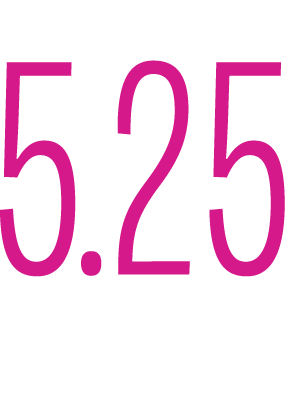
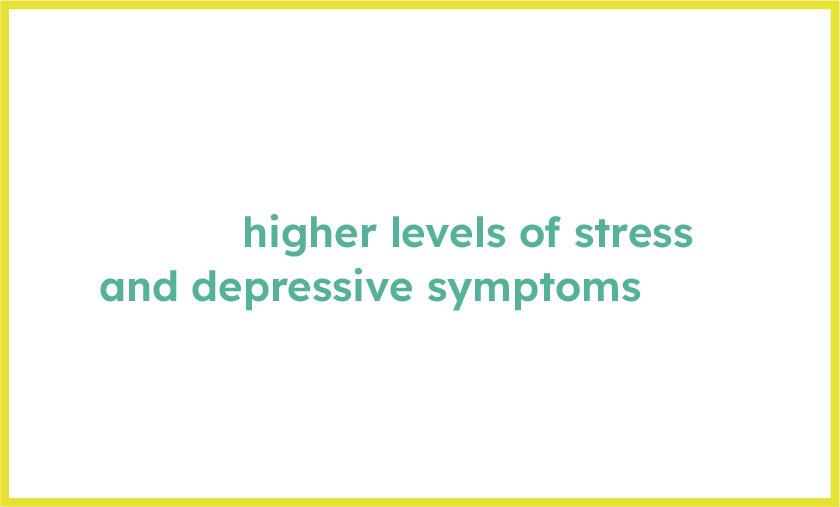
72% of Gen Z think their mental health would improve if apps were less addictive
community voices

take action
-
Encourage activities that don’t require screens
Model healthy balance with your own devices
Designate regular phone-free time
-
Track your screen time and set app limits
Replace scrolling with real hobbies or hangouts
Know the signs of overuse and share your experience
-
Normalize breaks from screens at work or school
Support digital detox challenges
Celebrate productivity and creativity outside of apps