
social comparison

stop scrolling and break free from social comparisons

It’s time to look up + be you.
Social comparisons may feel unavoidable. Every scroll invites us to measure our own lives against someone else’s highlight reel. When filters and manipulations replace reality, it’s easy to feel like we’ve fallen behind. And those feelings can do a number on mental health.
The SMART Social Project helps families, educators and individuals build healthy screen habits, reduce the impact of social media addiction and reconnect with what’s real. It’s not just a digital detox—it’s a reset for your self-worth and a better way to build digital literacy.
Your worth has nothing to do with their likes. It shows up in the way you live, connect, and show up in the world.
“More to the Story”
June + July, 2026
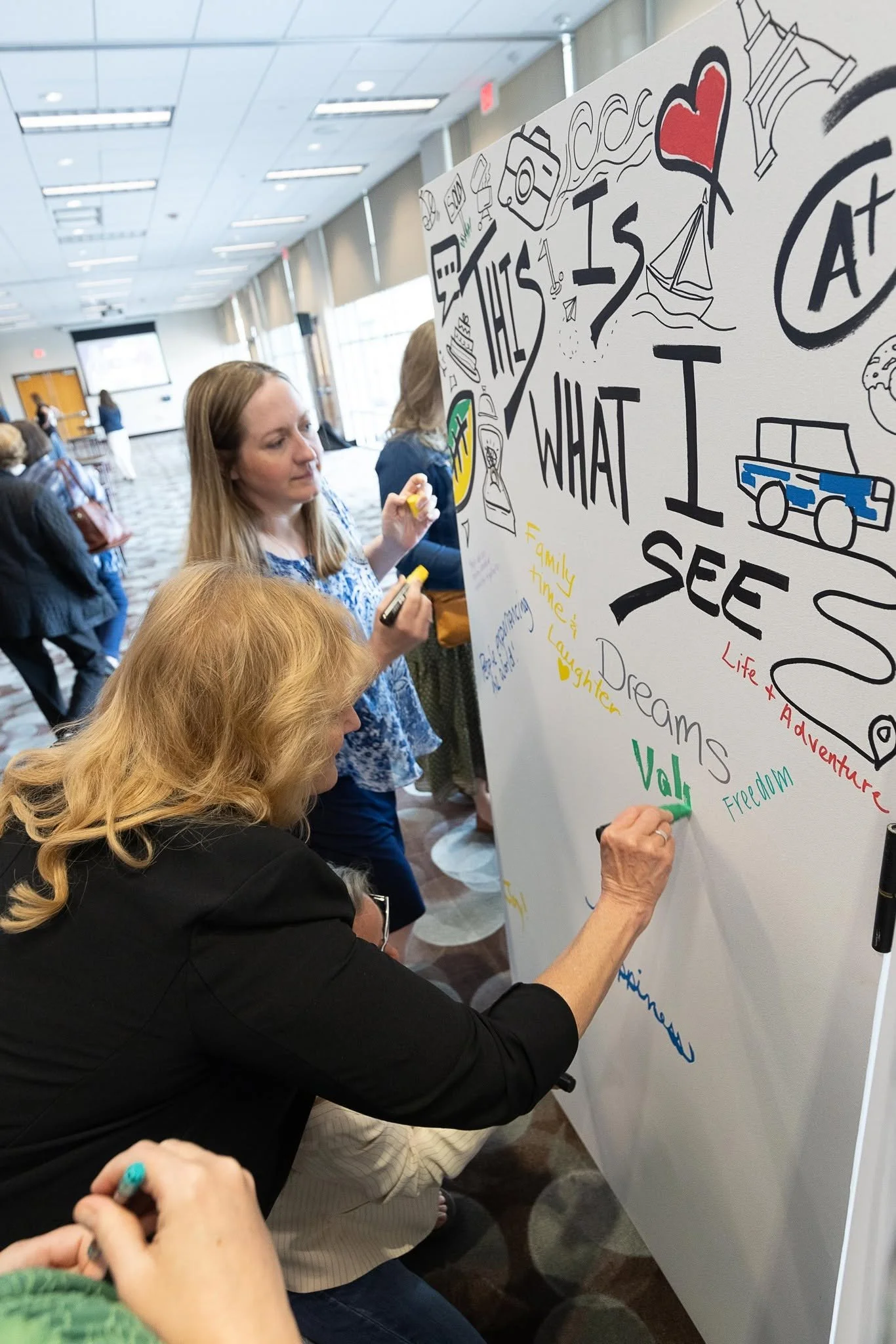
An interactive art-installation will be popping up throughout the community this Summer; starting at the Oshkosh Public Library and the Boys & Girls Club of Oshkosh. People are encouraged to share their honest feelings about their online experiences.
The art installation was also featured at the Women’s Fund bi-annual "Power of the Purse" luncheon. The installation visualizes the journey from digital free life to digital native generations and the impact of both on sense of self and identity formation. Watch for pop-up date + location details!
the pain of social comparison is real
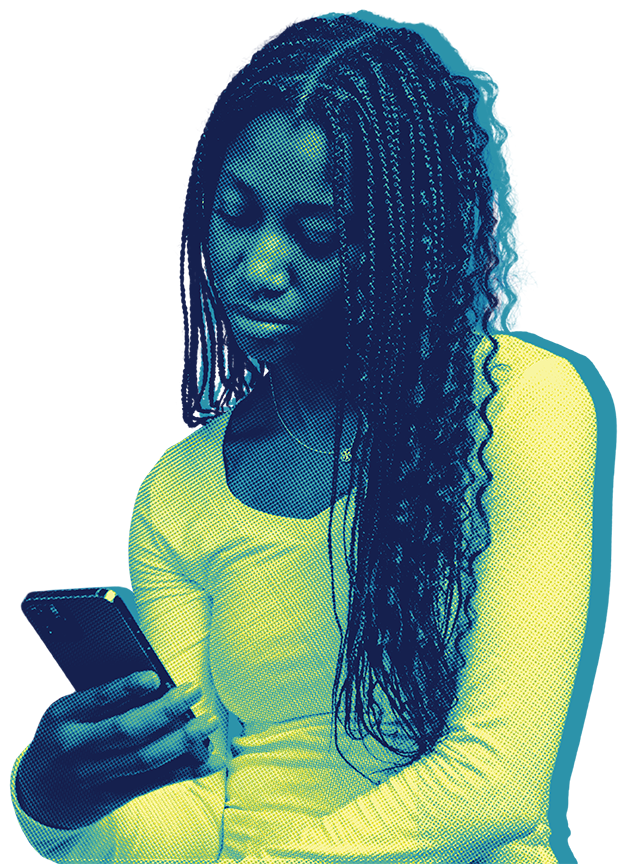
We know the posts are curated. We know the photos are edited. But that rarely stops the scroll, and the sting.
Comparing your life to what someone else projects as their own is a sure-fire way to tank your confidence. But it doesn’t have to be this way. We can break free from the burden of comparing ourselves to others, with a SMART approach to social media.
TRUTH: Social media and mental health are deeply connected. Often, comparison is the silent trigger.
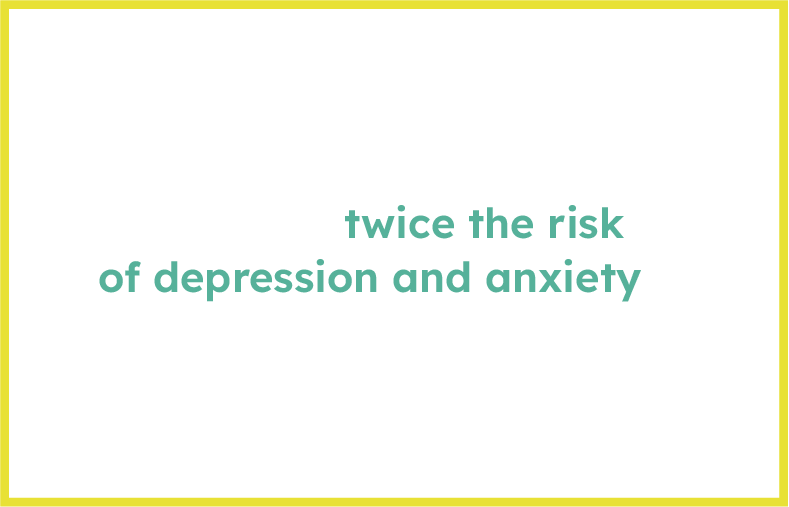
HARDER TRUTH: Constant comparison can lead to poor self-esteem, anxiety, depression and a loss of real-life connection. It’s one of the most damaging screen time effects we face today.
SOLUTION: SMART Social helps you unplug, reset and rebuild confidence through tools that support mental clarity, emotional stability and digital literacy.
BOTTOM LINE: Look up. Log off. Be you.
why combatting social comparisons matters
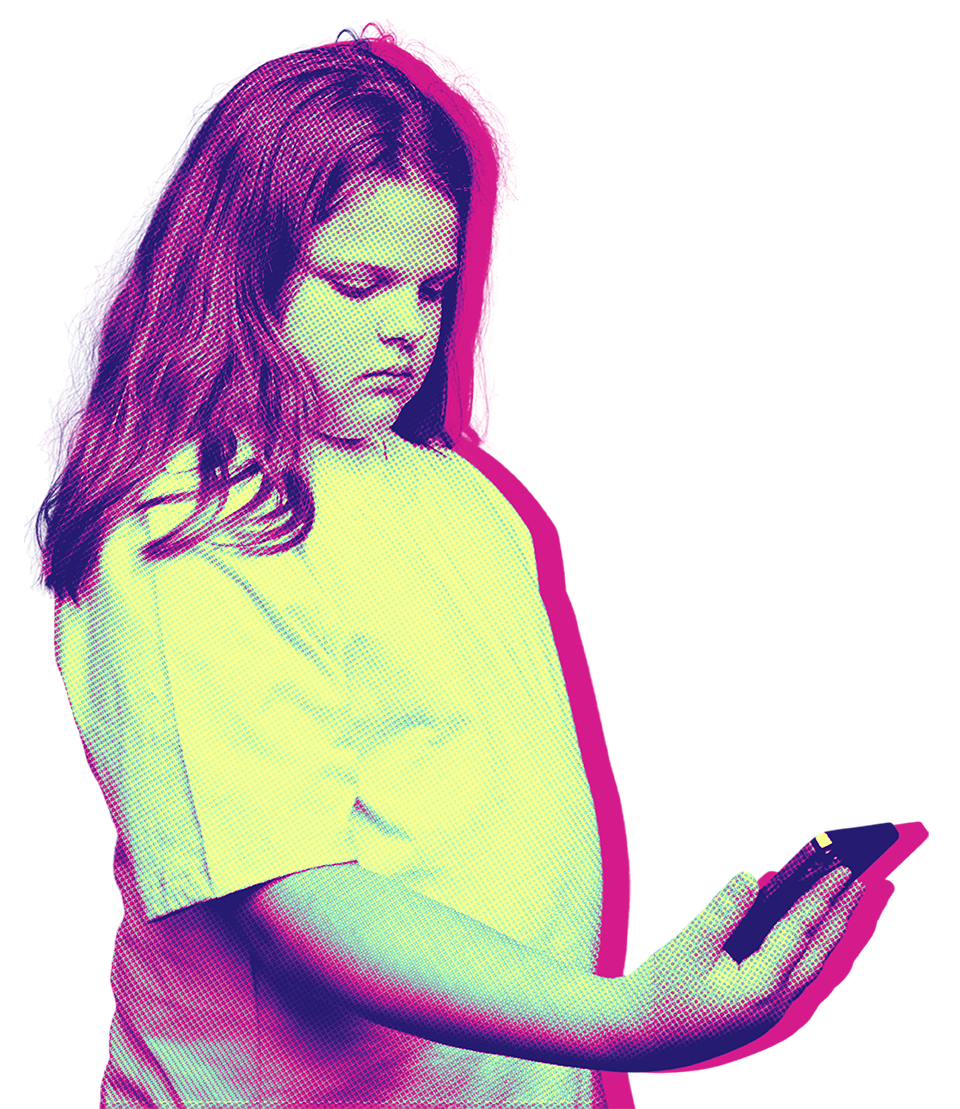
Small moments of comparison can chip away at confidence if we let them.
Social comparison is sneaky. It shows up in how we feel about our bodies, our friendships, our success and even our worth. We may not be able to stop it entirely, but we can learn to spot it, challenge it and choose authenticity over illusion. Here’s how:
Notice when scrolling makes you feel worse.
Limit time on apps that trigger comparison.
Follow accounts that promote realness and all its imperfections.
Talk openly about what’s real versus what’s curated.
Practice gratitude for your own experiences.
The SMART Social Project helps you build stronger self-worth, resilient habits and better digital instincts
be you + be a confidence defender
Being a confidence defender means recognizing that social media and mental health are connected, and choosing to protect your peace.
CONFIDENCE DEFENDERS:
• Call out unrealistic standards online.
• Encourage real conversations.
• Set screen time boundaries.
• Model authenticity.
• Choose connection over comparison.
true confidence isn’t rooted in comparison

fast facts
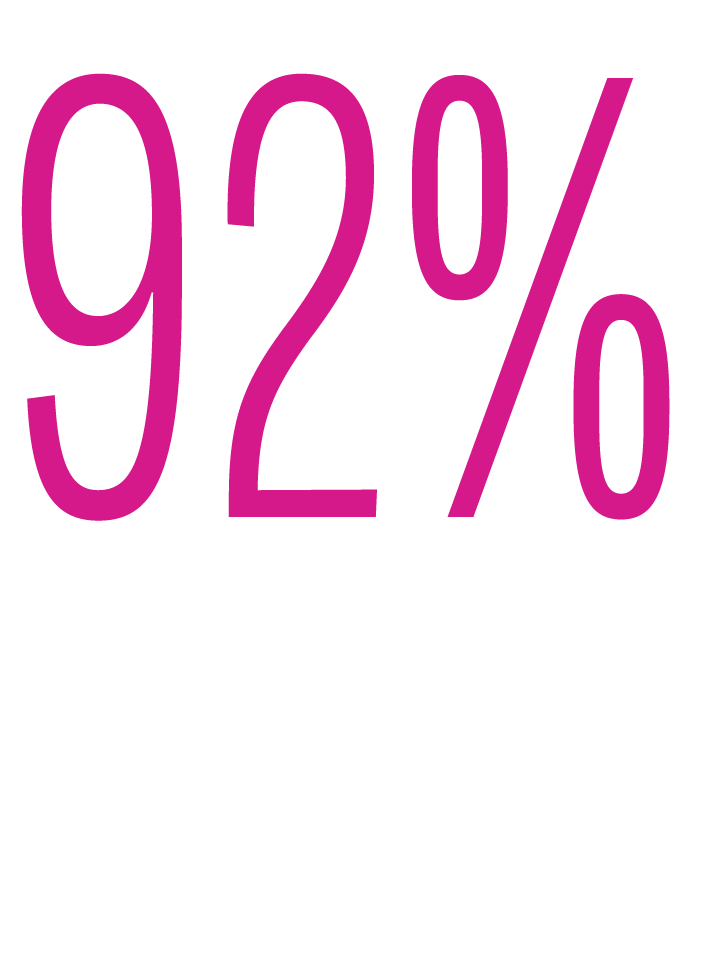
86% of Gen Z say social media had made them feel pressure to be perfect
community voices

grow beyond comparisons
-
Talk about what’s real vs. what’s staged or curated
Encourage kids to follow uplifting, authentic accounts
Lead by example with your own screen habits
-
Pause before you compare
Unfollow accounts that make you feel less-than
Remember: Love over likes.
-
Encourage media literacy in classrooms
Address comparison in wellness programs
Support colleagues who set digital boundaries